Foamed ceramics · Digital engineering

Advanced materials and digital engineering,
applied to real industry.

Foamed ceramics for North American construction, AI and digital engineering for working operations — carried by the performance, compliance and delivery evidence that turns proven into adopted.

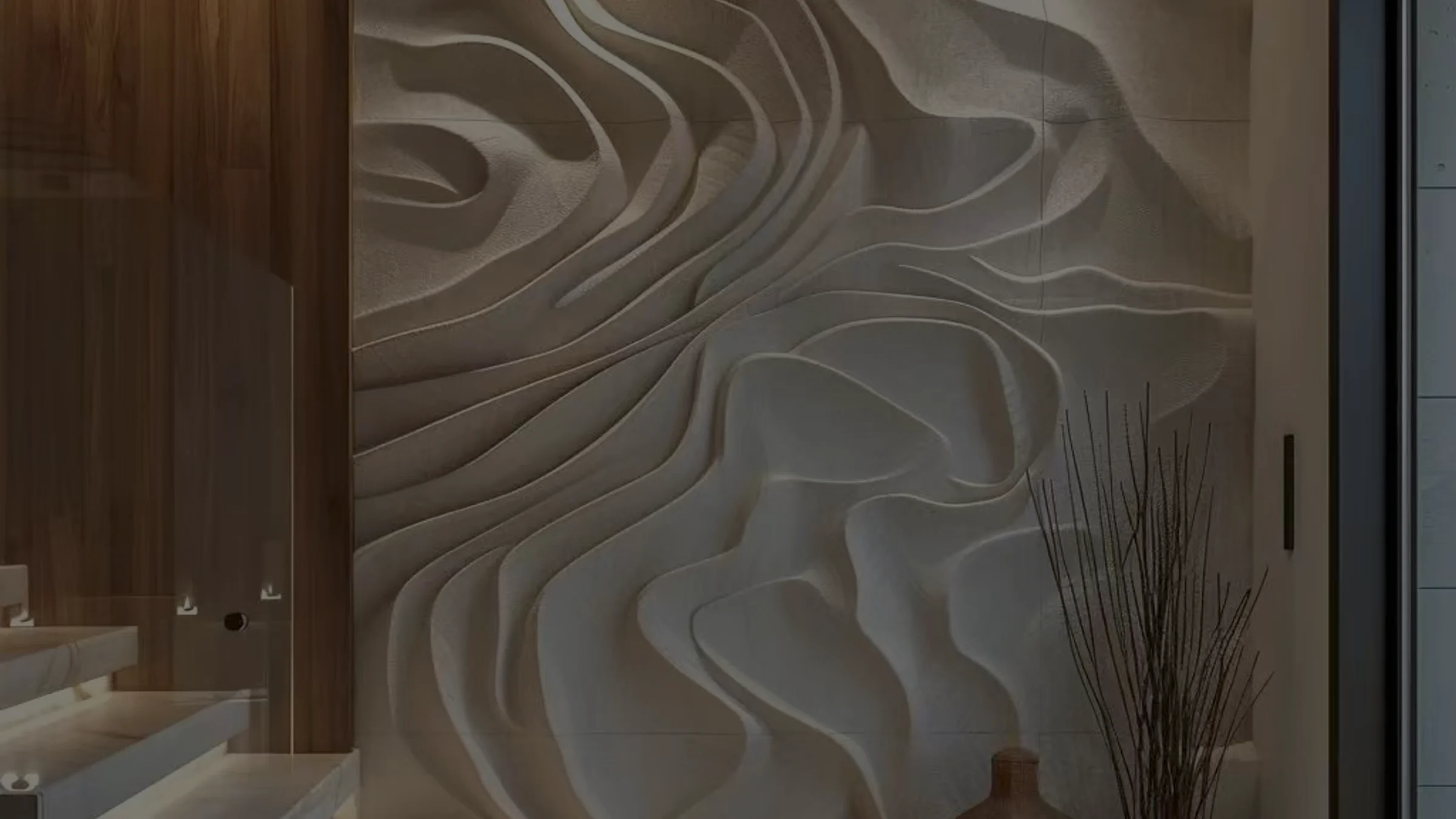
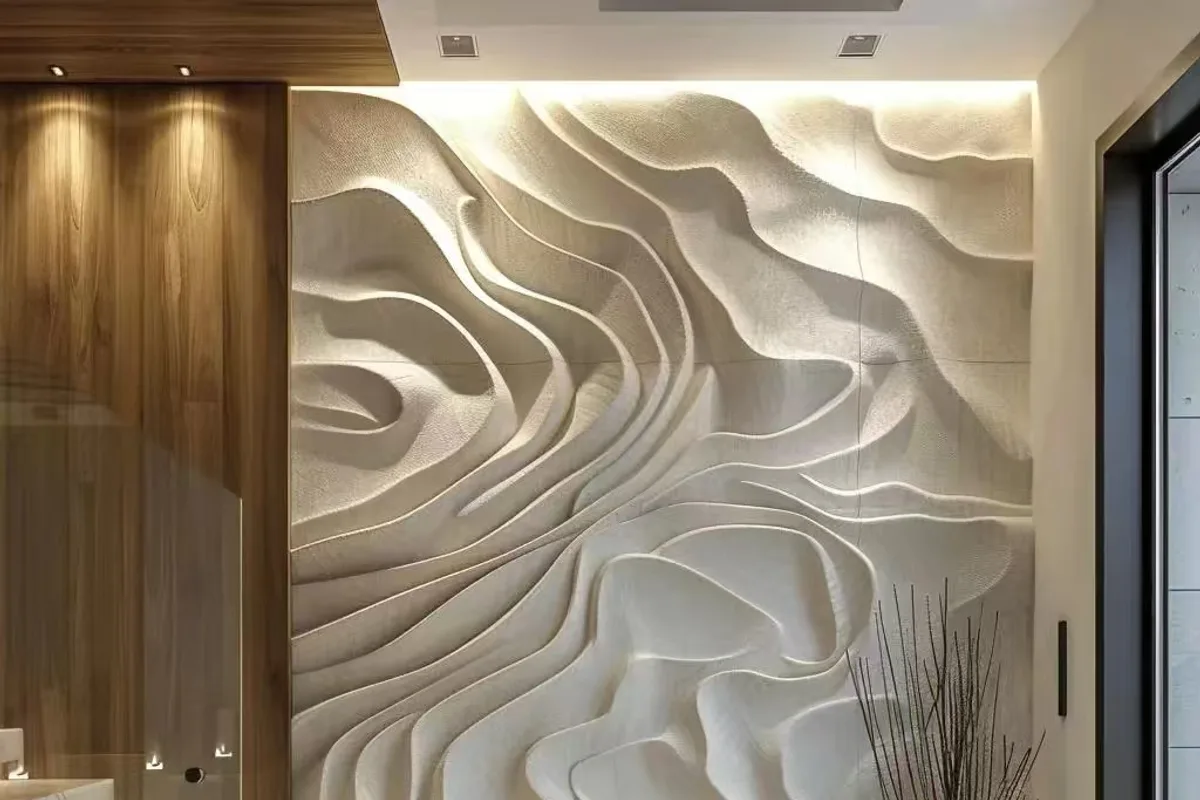
Carved foamed ceramic relief wall
A1
Fire class under GB 8624 (China)
0.064
Thermal conductivity W/(m·K)
43 dB
Sound reduction at 100 mm
0%
Water absorption, closed cell

Where it goes

Six places it is used in a building

Foamed ceramic is not a single product but a base material — the same fired body, varied by density and face, covering everything from interior partitions to landscape elements.

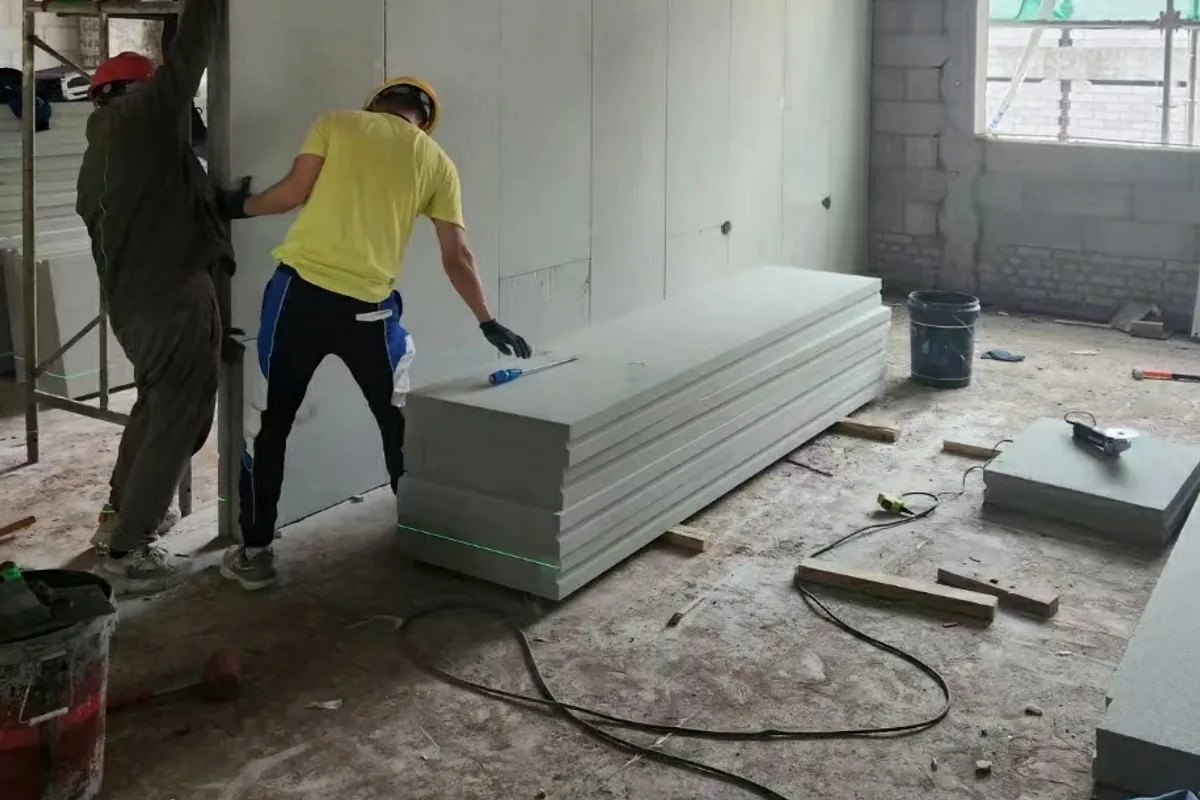
  • Workers installing foamed ceramic partition panels Interior partitions

    43 dB at 100 mm, installed dry, takes a 100 kg point load without backing

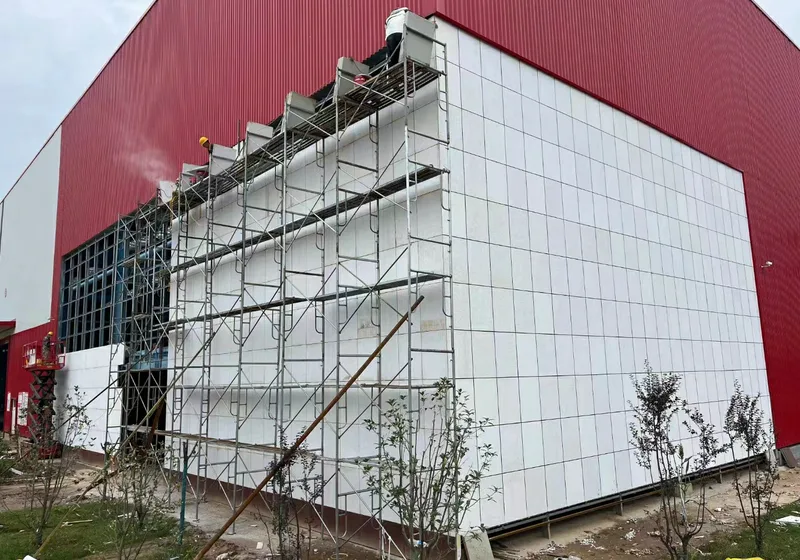
  • Insulation panels going up on a building facade External wall insulation

    Non-absorbent, so it holds its thermal rating when wet

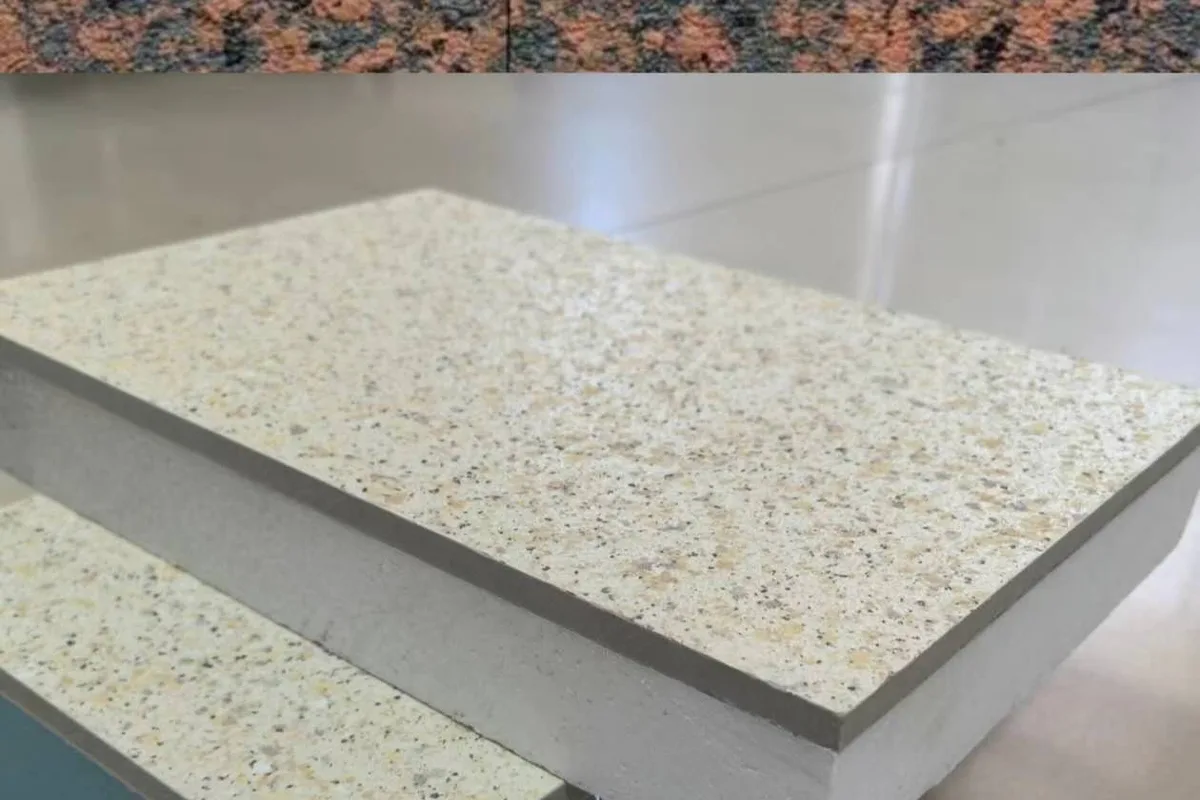
  • Stone-pattern fired surface of a cladding panel Cladding and façades

    Insulation and stone-look finish fired as a single board

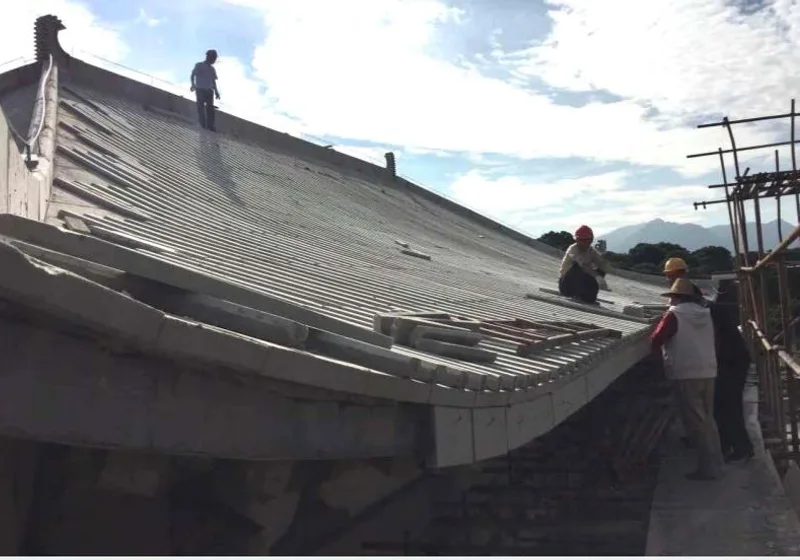
  • Panels being laid on a curved roof Roof insulation

    Light enough to cut structural load, and it will not rot

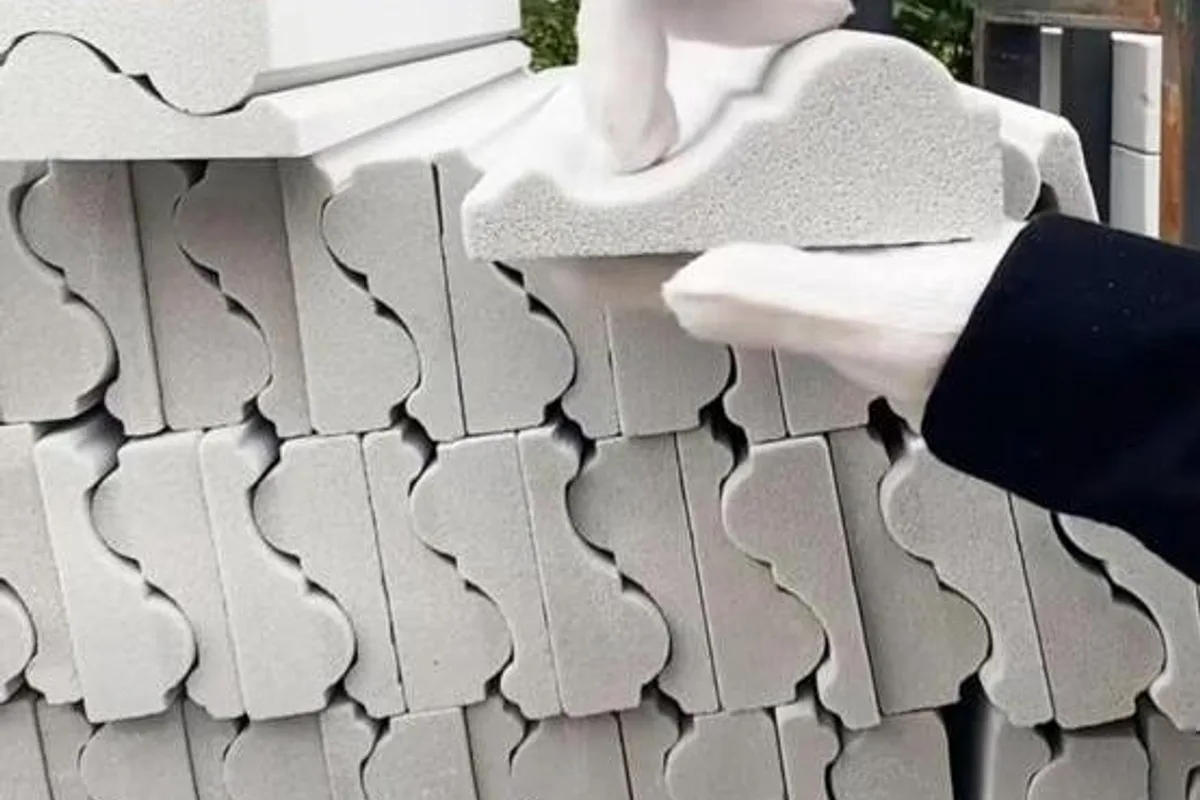
  • A gloved hand lifting a moulding profile Trim and mouldings

    A quarter the weight of cast concrete, workable with site tools

  • Carved relief wall in foamed ceramic Landscape and art

    Carvable, weatherproof and freeze–thaw stable outdoors

What foamed ceramic is

Five things that make it worth considering

This is a category most North American specifiers have not met. Rather than list properties, here is how the material behaves — each claim with the photograph that demonstrates it.

01

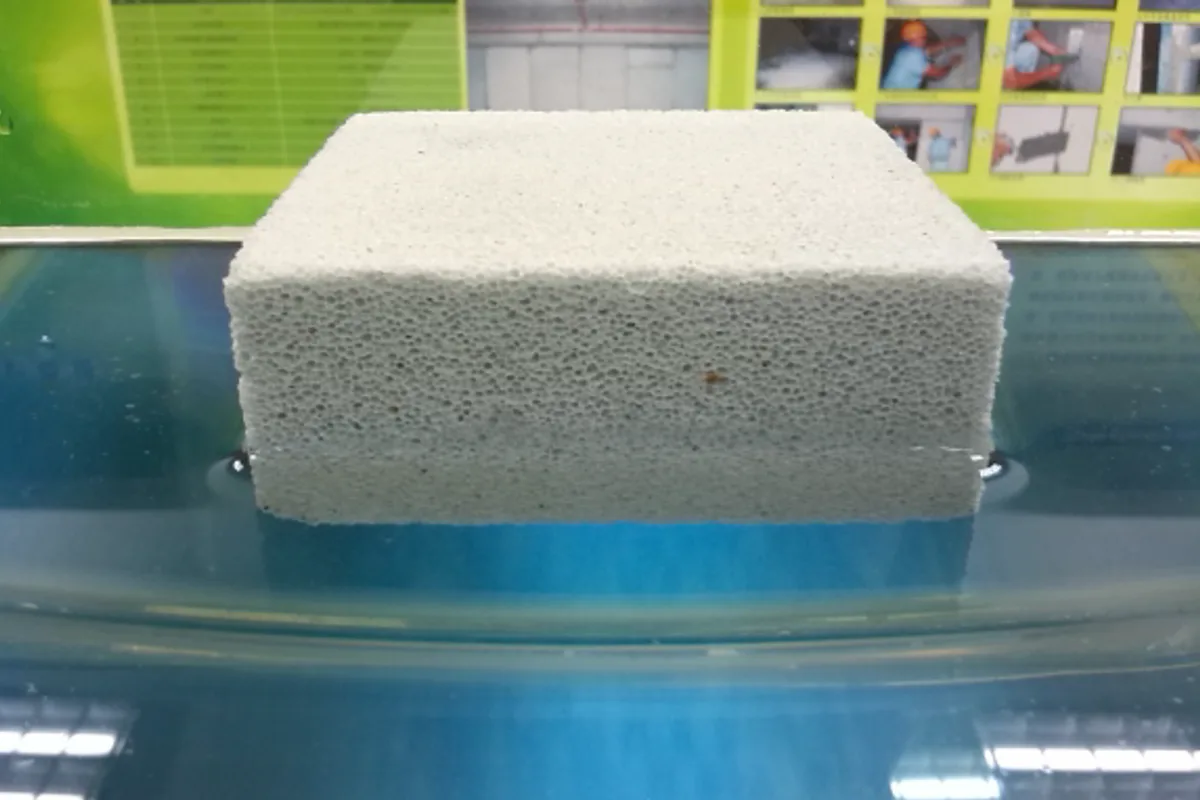
It floats, and it stays dry

A closed-cell body at 150–450 kg/m³ — roughly half the weight of autoclaved aerated block, and it takes up no water at all. Insulation that absorbs moisture loses its rating; this does not, which is why freeze–thaw and coastal rain are not the problem here that they are for mineral wool and foam plastics.

A block of foamed ceramic floating on water

02

The stone finish is fired in, not coated on

The decorative face and the insulating core are fired together at 1100–1150 °C, so the finish is part of the body rather than something applied to it. There is no coating to chalk or peel and no bond line to fail — which is where laminated composite panels usually go first.

Close-up of two fired stone-pattern panel finishes and the joint between them

03

A quarter the weight of cast concrete

Profiles run around 500 kg/m³, so trim and mouldings that would need lifting equipment in concrete can be placed by hand. That changes what installation costs, not just what the material costs.

A gloved hand lifting a foamed ceramic moulding profile

04

Cut, carved and drilled like stone

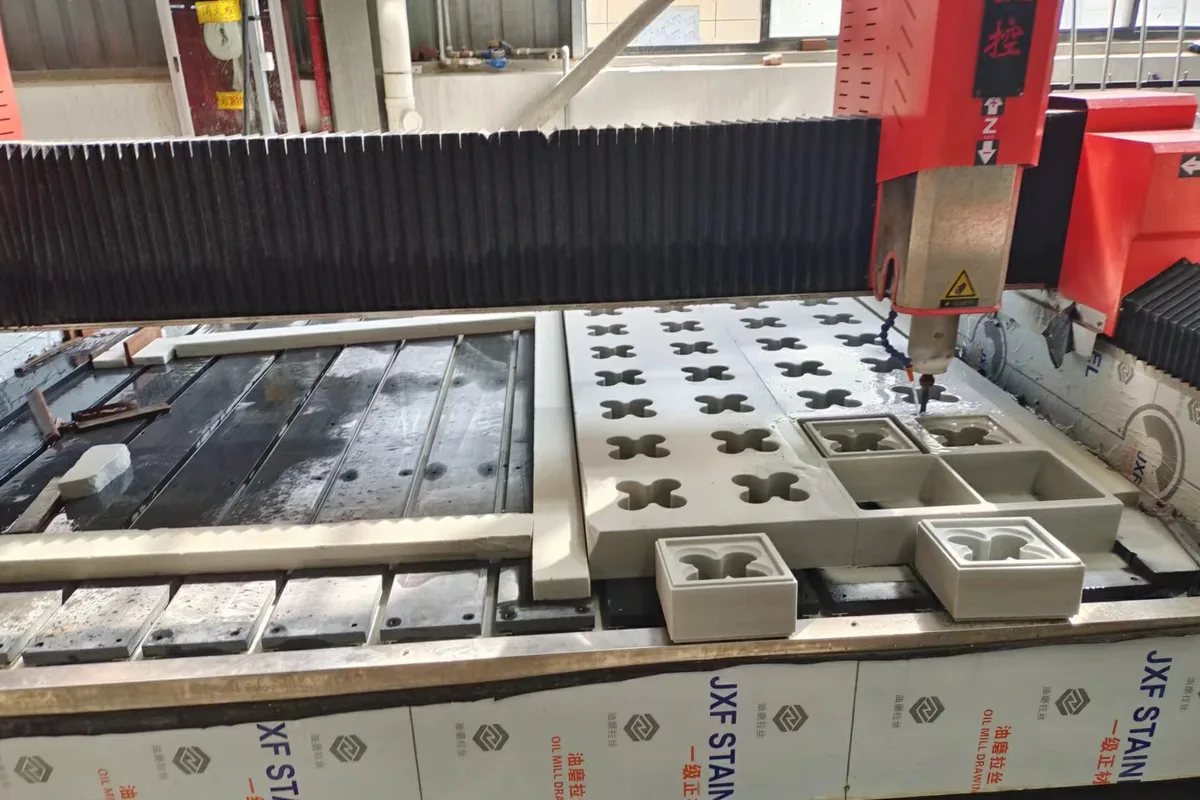
It takes CNC and laser work in the factory and ordinary site tools on the job — saw, nail, chisel, drill. Bespoke profiles and carved panels are a production question, not a special order.

CNC equipment cutting foamed ceramic panels

05

Dry installation, no wet trades

Tongue-and-groove edges, tile adhesive at the joints, galvanised angle brackets to the structure. A 100 mm partition gives 43 dB airborne sound reduction and takes a 100 kg point load without backing — a wall-mounted television or water heater goes straight on it.

Workers installing foamed ceramic partition panels on site
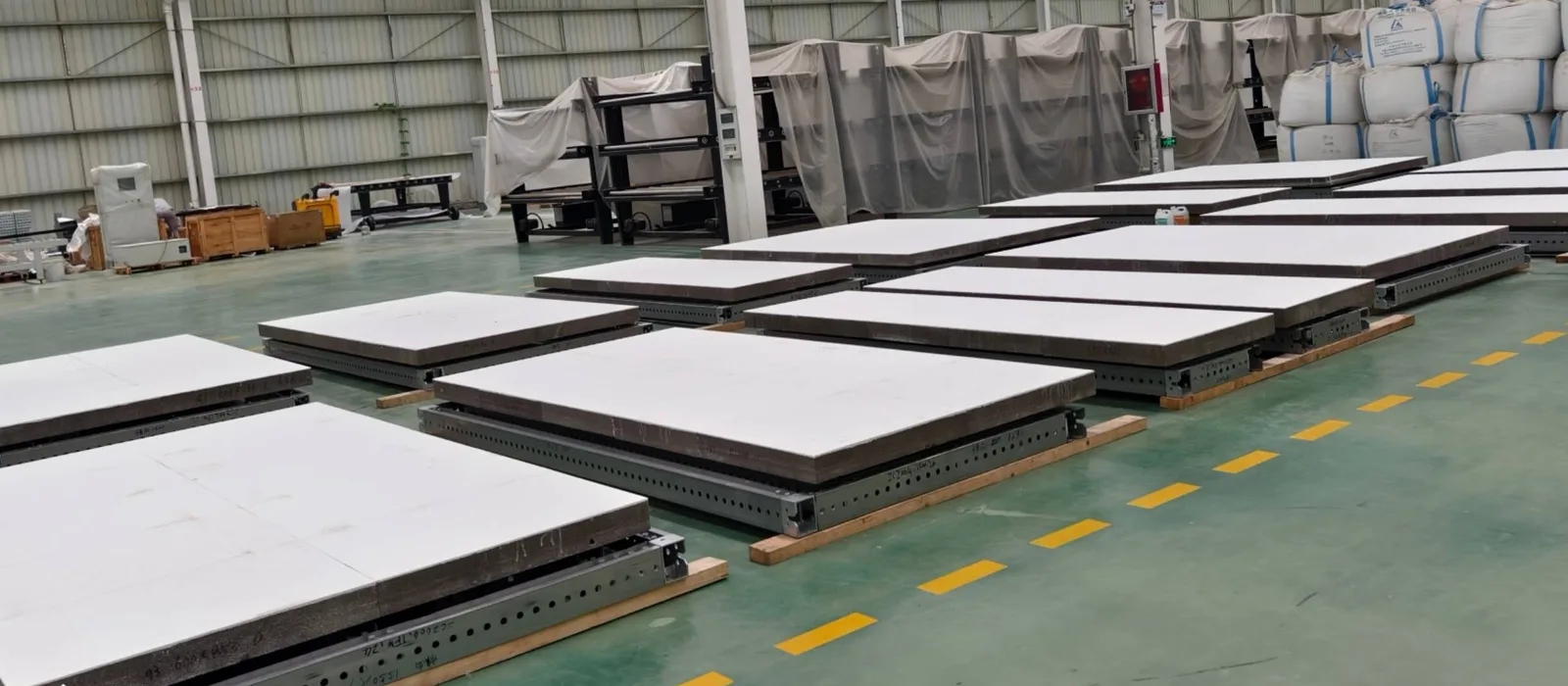
Finished foamed ceramic composite panels on a production floor
Finished composite panels · production in China

The work

Two practices, one method

01

North American market access

For an established material, entering North America is not a matter of completing an export. It is a matter of building the compliance evidence that supports design, approval and procurement.

We provide the engineering consulting that runs from code pathway analysis, test planning and technical documentation through to evaluation and first project application — closing the evidence gap for materials already proven in their home market.

Specifications and availability →

02

Digital Engineering & AI

Client delivery, our own products, and applied modelling. The same principle applies: capability is rarely the constraint, verifiability is.

Our agent-governance tool enforces written task contracts so AI coding agents stay inside their scope. Our tailings risk model was built deliberately interpretable, so it can be used for pre-screening rather than asked to be believed.

What we have built →

Where the material can be used today

Two lines can be specified today: carved panels (FC-A) and profiles (FC-T) — for landscape, courtyard, fence and site work, quotable per project across Canada and the United States. In many jurisdictions this kind of low-height, freestanding, non-structural work does not require a building permit when it stays within local limits.*

* Limits are set locally, not nationally: front-yard fences commonly run 0.9–1.2 m (3–4 ft) and side or rear fences 1.8–2.1 m (6–7 ft). The IRC exempts fences up to 2.13 m (7 ft) from a building permit and most jurisdictions lower that to 1.83 m (6 ft). Masonry and concrete fences frequently carry a lower threshold than wood, and this material falls on that side. Zoning or development approval, setbacks, heritage and easement rules may still apply; pool barriers require a permit at any height; retaining function is a separate trigger, commonly around 1.2 m. Confirm every project with the local Authority Having Jurisdiction.

For wall, insulation and cladding panels we are working toward a North American product evaluation. Bring us the project and its code requirements and we supply the material, the technical data, a complete design solution and the engineering support — the way we work on the turnkey projects we deliver in China and Oman.

Read the full availability breakdown →

Specify it, or hold it in your hands.

Most people reaching us are still selecting. A sample and the technical data are the right first step; a quote comes once quantity, thickness and destination port are known.